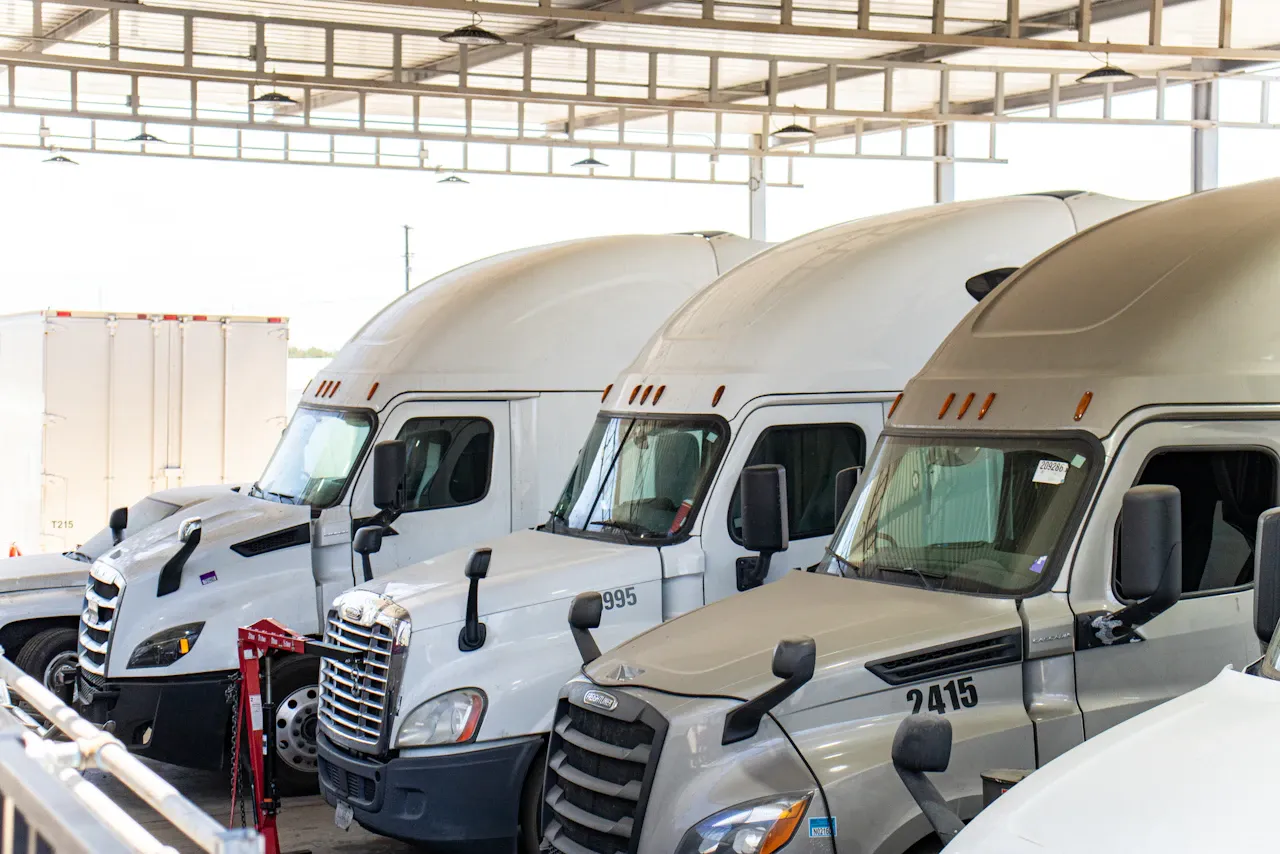
A commercial truck that started without trouble all summer may suddenly struggle on a cool December morning in Tampa Bay. Even without snow or freezing temperatures, seasonal changes can expose weak batteries, underinflated tires, and developing mechanical problems.
For fleet managers, these issues can mean delayed routes and unexpected repair expenses. Scheduling fleet maintenance services in Clearwater, FL before cooler weather arrives gives technicians an opportunity to identify problems before they interrupt daily operations.
Does Winter Weather Really Affect Commercial Trucks in Tampa Bay?
Florida's Gulf Coast rarely experiences the harsh winters found in northern states, but that doesn't mean seasonal maintenance is unnecessary.
Cooler overnight temperatures affect battery performance and tire inflation pressure. Vehicles that operate reliably during warmer afternoons may experience starting difficulties or noticeable pressure changes after sitting overnight.
For fleets operating around Clearwater, Tampa, St. Petersburg, and Pinellas County, common winter concerns include:
- Weak batteries struggling during morning starts
- Lower tire pressure after overnight temperature drops
- Worn electrical connections affecting starting performance
- Diesel engines taking longer to start
- Charging system problems becoming more noticeable
- Existing mechanical faults appearing during cooler operation
These problems often develop gradually. A seasonal inspection can help identify them while the truck is still operating normally.
Why Do Truck Batteries Struggle on Cooler Mornings?
Batteries rely on chemical reactions to deliver electrical power. As temperatures drop, those reactions become less efficient, reducing the battery's available starting performance.
At the same time, a diesel engine requires substantial electrical power to turn over during startup.
A battery that is already weak may perform adequately during warm weather but struggle when morning temperatures fall.
Common weak truck battery symptoms include:
- Slower engine cranking
- Repeated clicking when attempting to start
- Dim headlights during startup
- Intermittent electrical problems
- Needing jump-starts more frequently
- Battery or charging system warning indicators
The problem may become noticeable after a truck sits overnight, particularly if additional electrical equipment continues drawing power while the engine is off.
Proper cold-weather battery testing helps determine whether batteries have sufficient capacity to support reliable starting under changing operating conditions.
What Should Fleet Managers Check?
A commercial truck battery inspection should evaluate the battery and its supporting electrical components rather than relying on voltage alone.
Important checks include:
- Battery Load Testing: Evaluate the battery's ability to supply starting power.
- Terminal Inspection: Look for corrosion, loose connections, and damaged cable ends.
- Charging System Testing: Confirm the alternator and related components charge the batteries correctly.
- Cable Inspection: Identify damaged wiring, excessive resistance, or poor ground connections.
- Battery Age and Condition: Review replacement history and investigate repeated performance problems.
A truck that needs frequent jump-starts may have a failing battery, but parasitic electrical loads or charging system faults can produce similar symptoms.
Identifying the cause helps avoid unnecessary battery replacements.
How Does Cooler Weather Affect Commercial Truck Tire Pressure?
Tire pressure changes with temperature. When the air inside a tire cools, its pressure decreases, even when the tire has no puncture or visible damage.
As a general guideline, tire pressure changes by approximately 1 PSI for every 10°F change in temperature, although the actual difference depends on tire pressure and operating conditions.
For example, a commercial truck parked overnight may show lower inflation pressure the following morning than it did during a warmer afternoon.
This becomes a concern when tires are already operating close to their minimum required inflation pressure.
Low commercial truck tire pressure can contribute to:
- Increased rolling resistance and fuel consumption
- Excessive tire flexing and heat buildup
- Irregular tread wear
- Reduced tire service life
- Increased risk of tire damage
- Changes in vehicle handling
Underinflated tires can generate excessive heat during highway operation, even when the outside temperature feels cool.
How Should Fleets Check Tire Inflation During Winter?
A reliable fleet tire pressure inspection should follow the vehicle and tire manufacturer's recommendations.
Useful practices include:
- Check cold inflation pressure: Measure pressure before driving, ideally after the vehicle has been parked long enough for the tires to cool.
- Use the correct specifications: Follow approved inflation requirements for the tire size, axle load, and application.
- Inspect valve stems and caps: Look for damage or leaks that could cause gradual pressure loss.
- Monitor tire wear: Uneven tread patterns may indicate inflation, alignment, or suspension concerns.
- Investigate recurring pressure loss: A tire that repeatedly needs additional air may have a puncture, leaking valve, or wheel-related problem.
- Record inspection findings: Track recurring tire issues across individual fleet vehicles.
Do not release air from a warm tire simply because its pressure has increased during operation. Tires naturally heat up while driving, and adjusting hot inflation pressure incorrectly can leave them underinflated once cooled.
What Causes Diesel Trucks to Have Trouble Starting in Winter?
A weak battery isn't the only reason a diesel truck may experience cold-morning starting problems.
Fuel delivery restrictions, worn starters, electrical faults, and engine-related issues can also affect startup performance.
Florida's winter temperatures are generally not low enough to create the extreme fuel-gelling conditions associated with northern climates. However, cooler weather can still reveal problems that were already developing.
Potential causes include:
Weak Starter or Charging System: A worn starter may crank slowly or intermittently, while poor electrical connections can reduce the power available during startup. A technician can evaluate cranking performance, voltage drop, and charging system operation to identify the affected component.
Fuel System Restrictions: Restricted fuel filters, contaminated fuel, or fuel pressure problems can make starting more difficult. Diesel fuel systems require proper pressure and clean fuel delivery, making routine filter maintenance important throughout the year.
Engine Sensors and Electrical Faults: Some starting problems involve faulty sensors, wiring damage, or control system faults. If the engine cranks normally but fails to start, diagnostic testing may be needed to identify the problem rather than assuming the battery has failed.
Worn Engine Components: Engines with mechanical wear or compression-related problems may become harder to start as conditions change. These issues require professional evaluation, particularly when starting difficulties occur alongside excessive smoke, rough operation, or declining performance.
Why Can Small Winter Maintenance Problems Become Expensive?
A truck that won't start at the beginning of a shift can disrupt an entire day's schedule.
The battery replacement itself may be relatively straightforward, but the delay can create additional expenses involving drivers, dispatchers, deliveries, and replacement vehicles.
Common fleet downtime costs include:
- Delayed deliveries and service appointments
- Driver waiting time
- Emergency repair expenses
- Missed operating opportunities
- Replacement vehicle arrangements
- Additional scheduling and administrative work
These disruptions become particularly frustrating when the underlying problem could have been identified during a scheduled inspection.
A structured fleet maintenance management program helps businesses organize inspection schedules, maintain service records, and identify recurring mechanical problems.
For fleets managing multiple trucks, consistency is especially important. Maintaining individual service records makes it easier to identify vehicles with recurring battery, tire, or electrical problems.
Why Is Preventive Maintenance Better Than Waiting for a Breakdown?
A battery may show signs of declining performance long before it fails completely. Tires can develop slow leaks, and electrical connections may gradually deteriorate before a no-start condition occurs.
The challenge is recognizing these issues while repairs can still be scheduled around normal operations. Our article on reactive fleet maintenance costs explains how delaying routine inspections can increase emergency repair expenses and create unnecessary vehicle downtime.
A proactive approach gives fleet managers more control over when vehicles receive service.
Rather than responding to unexpected failures, technicians can investigate developing problems during planned maintenance visits and recommend repairs based on the vehicle's actual condition.
How Should Tampa Bay Fleet Managers Prepare for Cooler Weather?
A practical seasonal maintenance plan doesn't require replacing components simply because winter is approaching.
Instead, focus on vehicles with known performance concerns, incomplete maintenance records, or components approaching their recommended service intervals.
Consider these steps:
- Review maintenance histories: Identify trucks with recurring battery, starting, or tire inflation complaints.
- Schedule inspections before cooler weather: Address developing problems before they affect morning departures.
- Prioritize high-use vehicles: Pay attention to trucks with demanding routes, frequent stops, or extensive idle time.
- Communicate with drivers: Encourage early reporting of sluggish starts, pressure changes, and electrical problems.
- Plan repairs around operations: Schedule maintenance when vehicles are already available rather than disrupting active routes.
- Track completed work: Document inspections, replacements, and recommendations for future service.
Fleets operating along I-275, US-19, and the broader Tampa Bay area can benefit from planning maintenance around their daily routes and vehicle availability.
Keep Your Fleet Ready for Winter
Florida winters may be mild, but cooler temperatures can reveal weak batteries, low tire pressure, and starting system problems that disrupt commercial fleet operations. Regular inspections help identify these concerns before they create expensive delays. Consistent maintenance also gives fleet managers better control over repair scheduling and long-term operating costs.
Suncoast Fleet Services provides commercial truck and fleet maintenance in Clearwater and Tampa Bay, FL. With a full-service Clearwater facility and mobile fleet repair options in the Tampa area, our team helps businesses maintain reliable vehicles and address developing mechanical problems.


