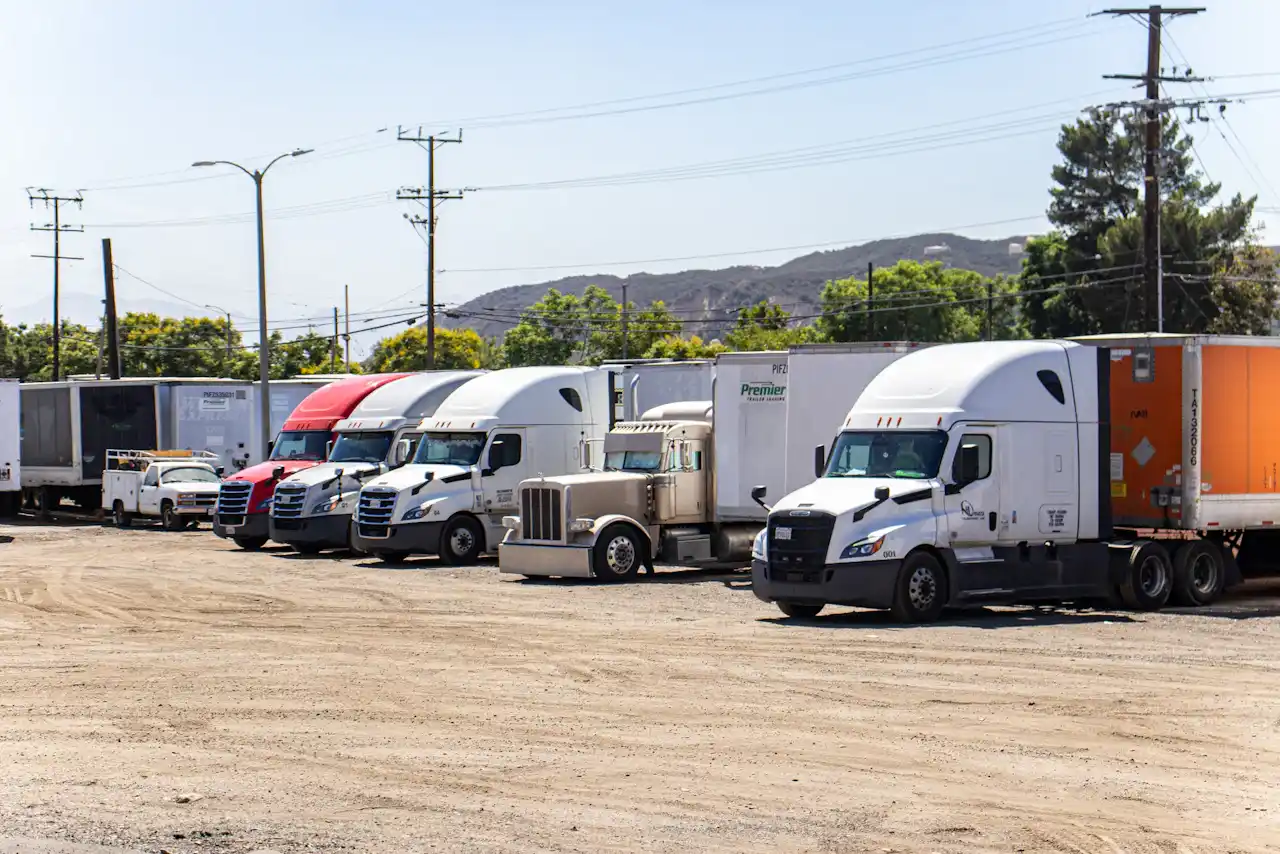
A truck rarely chooses a convenient time to break down. A worn component that could have been caught during an inspection can instead fail halfway through a route, leaving you with an urgent repair and an idle vehicle.
That is the real problem with reactive maintenance. You give up control over when, where, and how repairs happen, while a planned fleet maintenance service gives you opportunities to address developing problems before they disrupt operations.
What Makes Reactive Truck Maintenance So Expensive?
Reactive maintenance means dealing with a problem after it has already caused a failure or obvious malfunction. At that point, the original repair may only represent part of the expense.
A breakdown can also create:
- Unplanned vehicle downtime
- Driver delays
- Missed or rescheduled deliveries
- Emergency service costs
- Lost fleet capacity
- Secondary component damage
- Administrative disruptions
A truck sitting unexpectedly costs your operation in ways that do not always appear on the repair invoice. Dispatchers may need to rearrange routes, another vehicle may take over the load, and drivers can lose productive hours.
How Does Preventive Maintenance Reduce Breakdowns?
Preventive maintenance gives technicians regular opportunities to inspect, service, and evaluate vehicle systems before failures occur. Oil and fluid checks, tire inspections, brake evaluations, filter replacement, and other scheduled services all contribute to that process.
Effective maintenance strategies also depend on consistency. Skipping inspections because a truck currently runs well can allow minor wear to continue unnoticed.
Maintenance cannot prevent every breakdown. It can, however, help your fleet find many developing problems while the truck is already scheduled for service rather than stranded on a Florida roadway.
Why Are Small Problems Cheaper to Handle Early?
Mechanical problems often become more complicated when drivers continue operating the truck. A coolant leak, for example, may begin as a manageable repair but can create an overheating problem if coolant levels fall too far.
Lubrication problems carry similar risks. Heavy-duty engines depend on oil to lubricate internal components, while pressurized oil protects critical areas such as crankshaft bearings.
Early inspections give you a chance to catch concerns such as:
- Fluid leaks
- Abnormal tire wear
- Low fluid levels
- Damaged hoses
- Brake system wear
- Cooling system problems
- Unusual noises
- Warning lights
Repairing the underlying problem early can limit how many components become involved.
What Does Unplanned Downtime Really Cost a Fleet?
The direct repair cost is easy to see. The operational effects can be harder to calculate.
A disabled commercial truck may interrupt a delivery, force dispatch changes, or remove equipment from the day's schedule. If your fleet already operates near full capacity, one unavailable truck can create problems across several routes.
Fleet downtime can also become less predictable under a run-to-failure strategy. Instead of choosing a maintenance window, you deal with the problem whenever the vehicle decides it has had enough.
Scheduled commercial truck maintenance gives managers more control. Work can be planned around routes, driver availability, parts, and shop capacity rather than handled as an emergency.
Can Maintenance Affect Fuel Economy?
A truck does not need to be broken down to cost you money. Maintenance problems can affect how efficiently the vehicle operates long before they cause a complete failure.
Tire condition, engine performance, filters, fluids, and other vehicle systems can all influence efficiency. The relationship between maintenance and fuel economy gives fleets another reason to treat routine service as an operating priority.
Fuel use deserves attention because small changes repeat across every route. For fleets covering substantial mileage around Clearwater and the Tampa Bay area, inefficient operation can quietly add unnecessary expense.
Which Systems Should Preventive Maintenance Cover?
A useful fleet maintenance program looks at the entire truck rather than waiting for one specific system to create symptoms. Service needs will vary by vehicle, application, mileage, operating hours, and manufacturer requirements.
Common inspection areas include:
- Engine oil and other fluids
- Cooling system components
- Tires and wheel ends
- Air brake components
- Suspension components
- Driveline components
- Filters and intake components
- Electrical and charging systems
- Aftertreatment systems
Heavy-duty air brakes, for instance, rely on components such as brake chambers, slack adjusters, S-cams, air lines, and compressed-air tanks. Regular inspections can identify wear or damage before braking performance becomes a larger concern.
The same principle applies throughout the truck. Maintenance works best when you inspect systems while they still function rather than waiting for failure to tell you where the problem is.
How Should Clearwater Fleets Plan Maintenance?
Florida operating conditions should factor into your maintenance decisions. Heat, stop-and-go traffic, frequent idling, heavy loads, highway operation, and coastal conditions can influence how vehicles age and which systems need closer attention.
Start with manufacturer service requirements, then consider how each truck actually works. A vehicle spending its day making local stops around Clearwater may have different maintenance demands than a truck covering steady highway mileage through Pinellas County and the wider Tampa Bay area.
Useful maintenance records should track:
- Service dates and mileage
- Repairs completed
- Fluids and filters replaced
- Inspection findings
- Recurring driver complaints
- Parts showing repeated wear
- Upcoming scheduled services
Records turn maintenance history into something you can act on. Recurring problems become easier to identify, and managers can schedule work before known service intervals pass.
Why Should Drivers Be Part of the Maintenance Plan?
Drivers spend more time with fleet vehicles than anyone else. They may notice subtle changes before a problem becomes obvious during a scheduled inspection.
Encourage drivers to report unusual sounds, warning lights, fluid leaks, changes in handling, abnormal braking, rising temperatures, and other new symptoms. Detailed reports give technicians useful information when diagnosing intermittent problems.
A strong preventive maintenance program connects those driver observations with scheduled inspections. That gives your shop more opportunities to investigate concerns while the vehicle can still reach service under its own power.
Does Preventive Maintenance Eliminate Roadside Breakdowns?
No maintenance program can guarantee that a truck will never fail. Parts can break unexpectedly, tires can suffer road damage, and problems can develop between scheduled inspections.
Preventive maintenance still changes the odds by addressing visible wear and developing faults sooner. If a breakdown does occur, some problems can also be handled where the truck sits instead of immediately requiring a tow.
Knowing which truck breakdowns need no tow can help your fleet make better decisions when a vehicle becomes disabled on the road.
Make Preventive Maintenance the Plan
Waiting for failure gives the truck control over your maintenance schedule. Regular inspections and scheduled service give your fleet more opportunities to find wear, plan repairs, protect uptime, and keep minor concerns from developing into larger mechanical problems.
Suncoast Fleet Services supports commercial fleets in Clearwater, FL, with maintenance and repair services built around keeping vehicles working reliably. Schedule fleet service before your next mechanical problem chooses the time and place for you.


